
Read the report
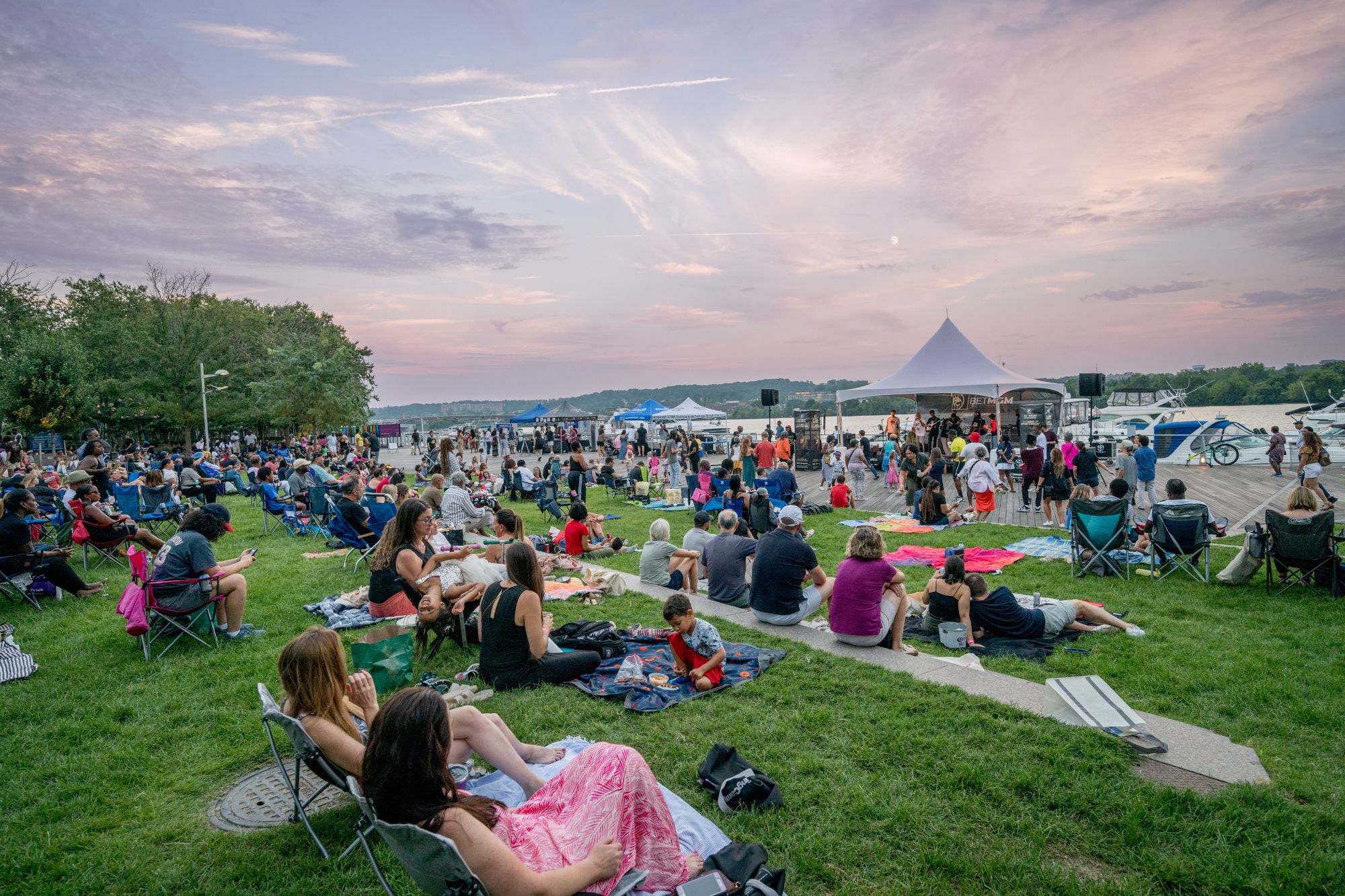
Crowds on picnic blankets and lawn chairs at an evening concert on the Georgetown waterfront

Building Tomorrow’s Parks

Recommendations from
The DC Neighborhood Parks Task Force

The District is fortunate to have some of the most widely distributed green space of any U.S. city. But about 90 percent of it is managed by the National Park Service, which was built to protect national treasures, not run neighborhood playgrounds.

Parks responsibilities are spread across several federal and local agencies, making upkeep and planning overly complicated. The result is uneven quality and parks that aren’t responsive to local needs.

The Task Force report lays out a path to give DC residents better neighborhood parks—with more local control, streamlined agency coordination, and community stewardship.

Co-chairs
Matt FruminWard 3 DC Councilmember
Tony WilliamsCEO & Executive Director, Federal City Council

The Task Force brought together civic, community, and business leaders from all eight wards, including ANC commissioners, Business Improvement Districts, community-based organizations, parks and recreation experts, and parks advocates, with technical input from DC agency staff.

The recommendations

Four steps toward a world-class park system

Actions the Task Force hopes DC’s next Mayor will pursue with the Council, communities, and the federal government.

People walking past the historic Franklin School at Franklin ParkFranklin Park
01

Transfer locally serving parks from NPS to the District

The District and NPS should jointly assess which parks are best managed locally and which belong under federal stewardship, based on use, significance, and management needs.

  • Parks that primarily serve local residents should be managed by the District.
  • Federal resources should focus on nationally significant parks and assets.
  • Historic and cultural assets stay protected through easements or other mechanisms.
  • Start with remnants, small parks, and parks that can draw on outside partners.

An instructor leading a large outdoor fitness class on a riverside park lawn
02

Build District park management and coordination capacity

The District’s capacity to manage parks will need to grow significantly to support an expanded local parks portfolio.

  • Study how to organize park planning, management, programming, maintenance, and capital functions.
  • Explore a consolidated agency or public entity.
  • Create a Coordinator of the Public Realm to work across District agencies, NPS, and partners.
  • Provide additional funding for citywide park planning and implementation.
Model: New York City’s Chief Public Realm Officer
A caricature artist sketching two smiling women at the Chinatown Park Festival
03

Explore sustainable park financing and cost recovery

DC recovers less than 5 percent of its parks and recreation costs, compared to the national average of 26 percent. A new framework can raise revenue while keeping access open to everyone.

  • Increase cost recovery from programs and facilities with individualized benefits.
  • Keep programs with broad community benefit subsidized or free, with reductions for low-income residents.
  • Establish an Entrepreneurial Parks Fund for sponsorships, concessions, and advertising.
  • Reduce costs through operational efficiencies and expanded partnerships with BIDs and community groups.
Sunflowers and raised garden beds in a community-managed garden between city row housesA NeighborSpace community garden, Chicago
04

Foster community management of small neighborhood parks

The District should leverage community-based stewardship to supplement public management, strengthen community connections to parks, and make green spaces more responsive to neighborhood needs.

  • Engage residents, neighborhood organizations, ANCs, and other local partners in designing, managing, and caring for neighborhood parks.
  • Work with intermediary partners to provide insurance, fiscal sponsorship, technical assistance, coordination with District agencies, and ongoing operational support as community leadership and capacity evolve.
  • Collaborate with Casey Trees to pilot and expand stewardship opportunities across all eight wards, particularly for small neighborhood parks and green spaces.
Model: Chicago’s NeighborSpace
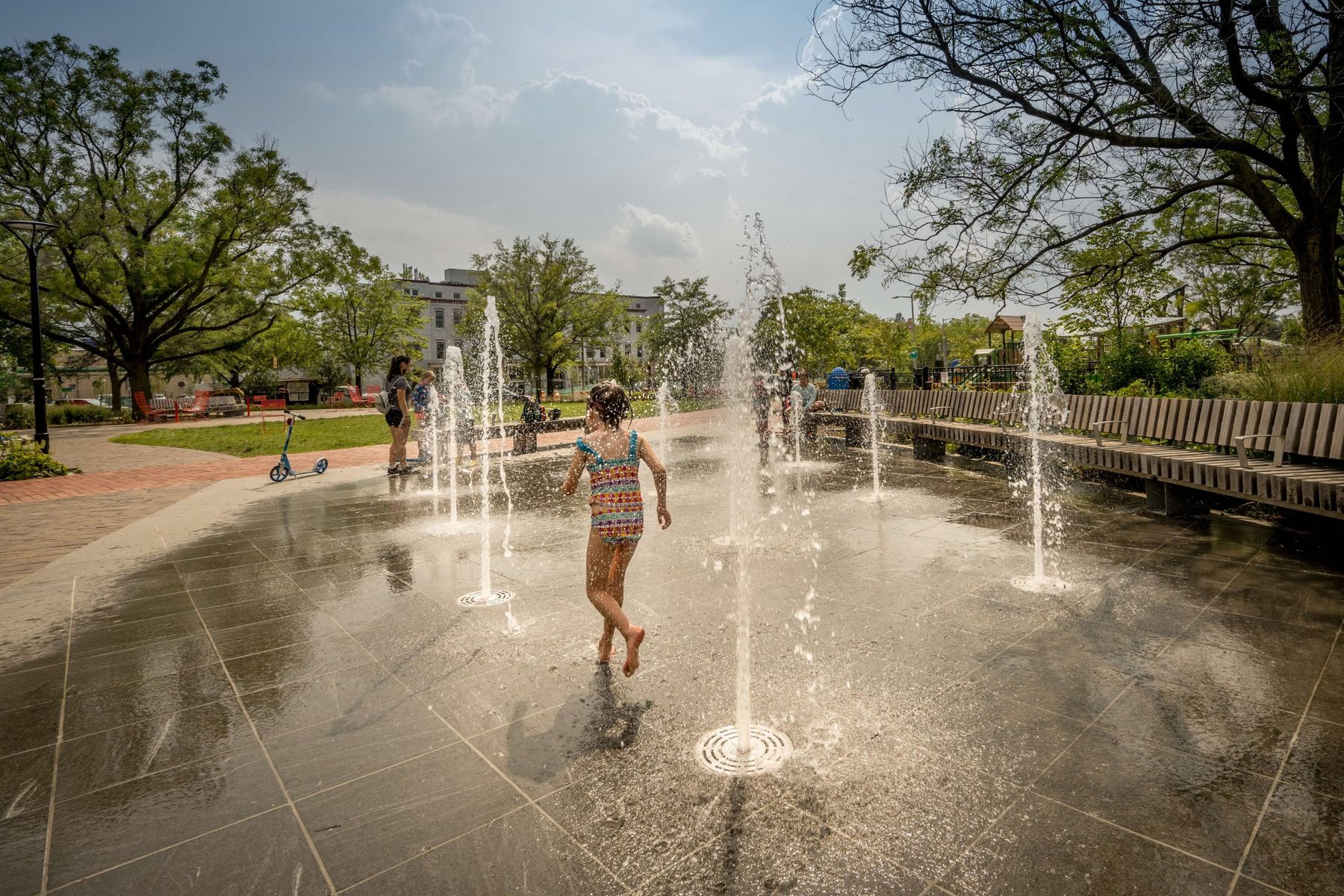
A child running through the spray fountains at Eastern Market Metro Park
Eastern Market Metro Park, Ward 6
Why it matters

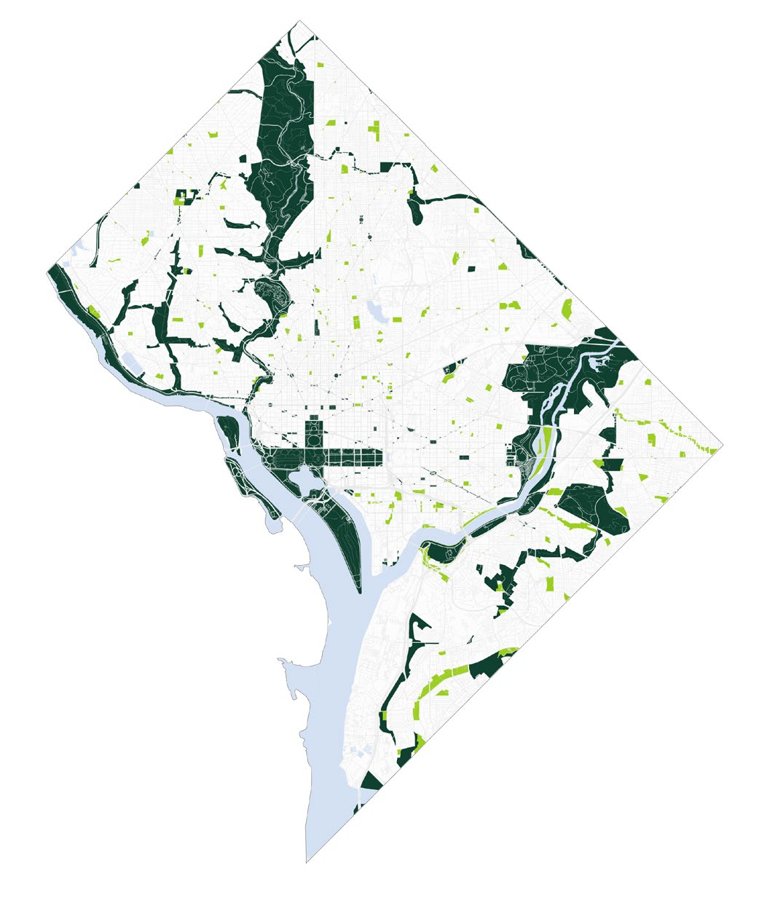
Most parks are under federal control, but they have few amenities

Map of Washington, DC showing large federal parklands in dark green and smaller, scattered local parks in light green
Federal parkland (NPS and Arboretum)Local parkland (DPR)
8,398
Total acres of parks in DC
(Trust for Public Land)
10%
Of the District’s open space is under local control
6,500+
Acres controlled by NPS
851
Acres controlled by DPR
Where the amenities are

Playgrounds, courts, and dog parks are common in neighborhood parks, but are often not permitted on NPS land.

Basketball courts
122
12
Playgrounds
105
19
Spray parks
37
1
Dog parks
19
0
On DPR landOn NPS land
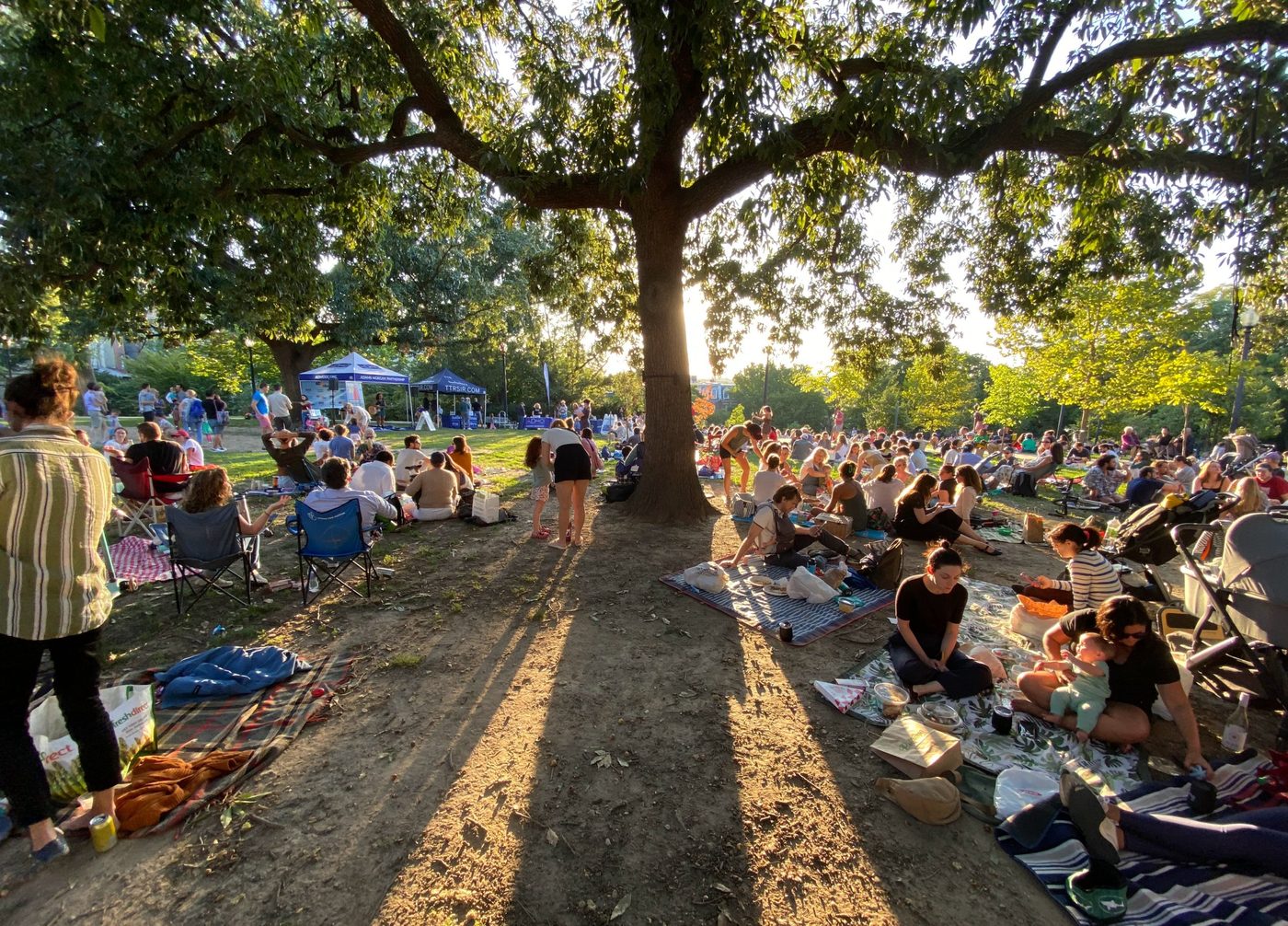
A packed crowd picnicking under a large tree at Kalorama Park
Kalorama Park, Ward 1
Key principles

What guided the Task Force

  1. Manage parks to create environmental, public health, community safety, and economic value for neighborhoods and residents in every part of the District.
  2. Allocate park resources so that every resident has access to high-quality, safe, and welcoming parks.
  3. Be as responsive as possible to the needs of each neighborhood.
  4. Keep park land dedicated to public use and enjoyment.
  5. Pursue partnerships to reduce or eliminate the public cost of managing small neighborhood parks while increasing local access to outdoor space.
  6. Create administrative efficiencies that reduce the city’s park management costs and improve outcomes.
  7. Improve customer service so residents can easily reserve amenities, report problems, suggest improvements, and navigate the parks system.
Neighbors relaxing in lawn chairs under a tree in a small city park, a dog resting nearby
“Together, we can make the nation’s capital home to the greatest parks in America—and the world.”
Matt Frumin & Tony Williams, Task Force co-chairs

Read the full report for the Task Force’s analysis of DC’s park management structure, transfer options, and the research behind each recommendation.

Read the full report (PDF)